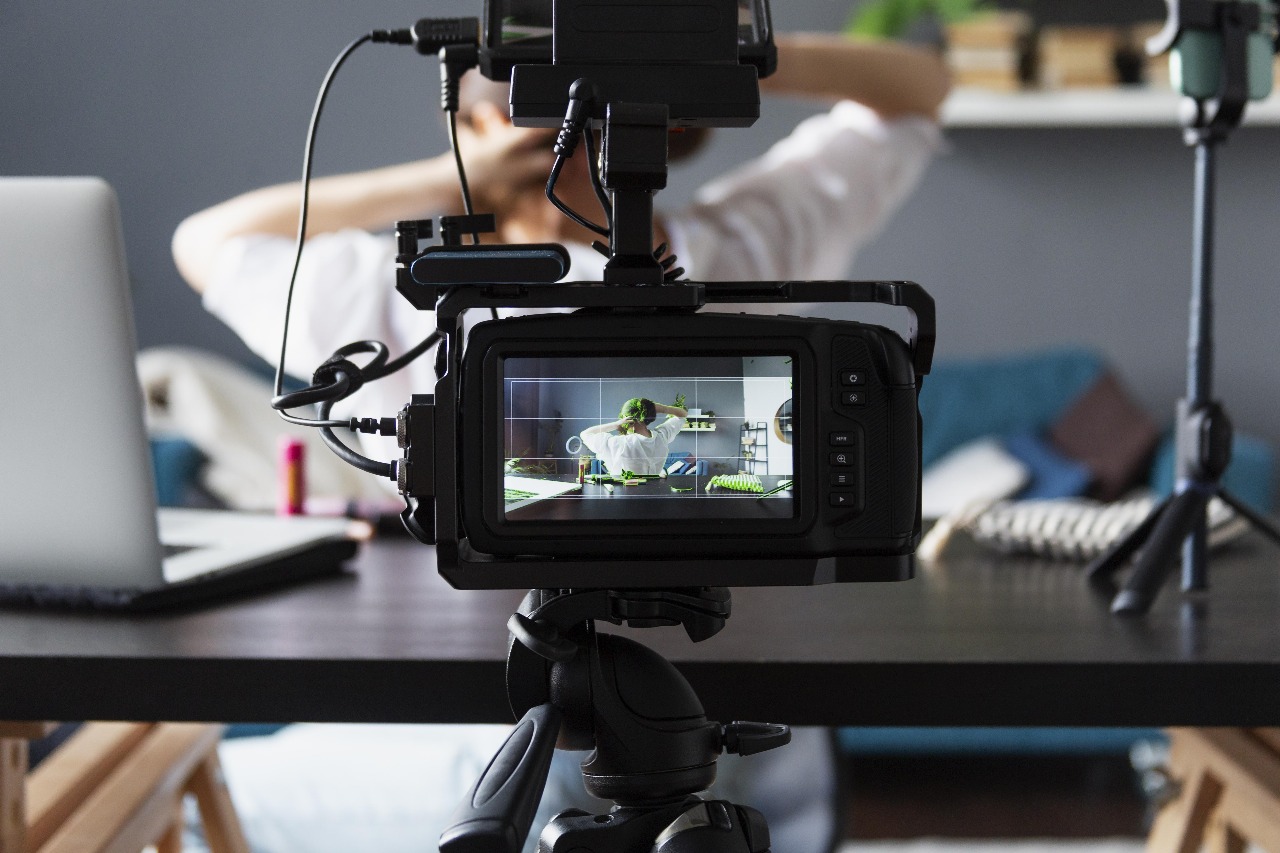
The Art of Cinematic Video Creation: A Guide by Incarnate
In the ever-evolving landscape of digital content, cinematic video creation has emerged as one of the most powerful tools for storytelling, brand building, and audience engagement. Whether you're a filmmaker, content creator, or brand looking to elevate your visual presence, understanding the principles of cinematic videography can transform your work from ordinary to extraordinary.
What Makes a Video "Cinematic"?
Cinematic video isn't just about expensive equipment or Hollywood-level budgets. It's about crafting visual stories that evoke emotion, maintain intentional composition, and demonstrate technical excellence. The cinematic look encompasses several key elements: deliberate camera movement, thoughtful lighting, color grading that enhances mood, and audio that immerses the viewer in the experience.
The Foundation: Pre-Production Planning
Every compelling cinematic video begins long before the camera starts rolling. Pre-production is where the magic truly starts. This phase involves developing your narrative concept, creating shot lists, scouting locations, and establishing the visual mood through mood boards and references. Understanding your story's emotional arc allows you to plan shots that serve the narrative rather than just looking aesthetically pleasing.
Storyboarding, even rough sketches, helps visualize how scenes will flow together. This planning phase is where you decide on camera angles, movement patterns, and the overall visual language of your piece.
Mastering Camera Techniques
Cinematic footage relies heavily on intentional camera work. Static shots can be powerful when used purposefully, but movement adds dynamism and professional polish. Techniques like slow, smooth panning and tracking shots create a sense of scale and immersion. Handheld work, when stabilized properly, can add intimacy or energy to scenes.
The rule of thirds, leading lines, and negative space aren't just photography concepts—they're fundamental to cinematic composition. Frame your subjects with intention, leaving breathing room that guides the viewer's eye through the scene.
Lighting: Painting with Light
Professional cinematographers often say they're not just capturing images—they're sculpting with light. Three-point lighting remains a foundational technique, but modern cinematic work frequently employs more naturalistic approaches. Understanding hard versus soft light, color temperature, and how light creates mood is essential.
Golden hour shooting provides that coveted warm, diffused natural light that instantly elevates production value. When shooting indoors or in controlled environments, learning to shape and modify light sources transforms ordinary spaces into cinematic environments.
Color Grading: The Finishing Touch
Raw footage is just the beginning. Color grading is where you establish the final emotional tone of your piece. Whether you're going for the cool, desaturated tones of a thriller, the warm nostalgic hues of a memory sequence, or the vibrant saturation of a commercial spot, color grading ties everything together.
Learning to work with LOG profiles and understanding color theory allows you to maintain flexibility in post-production while achieving that coveted film-like quality. Tools like DaVinci Resolve, Adobe Premiere Pro, and Final Cut Pro offer powerful grading capabilities that were once exclusive to high-end studios.
Audio: The Unsung Hero
While visuals capture attention, audio keeps viewers engaged. Cinematic video demands clean dialogue, atmospheric sound design, and music that enhances without overwhelming. Investing in quality audio recording equipment and learning proper sound mixing techniques is just as important as camera skills.
Foley effects, ambient sound layers, and carefully selected music tracks create the immersive experience that separates professional work from amateur content.
The Technical Toolkit
While gear doesn't make the cinematographer, understanding your tools is crucial. Modern mirrorless cameras and even high-end smartphones can capture cinematic footage when used correctly. Frame rates matter—24fps remains the gold standard for that film-like motion blur, while 60fps or higher allows for beautiful slow-motion sequences.
Stabilization through gimbals, sliders, and drones has become more accessible, opening creative possibilities that were once prohibitively expensive. However, mastering the basics with minimal gear often teaches more than jumping into complex setups.
Storytelling Above All
The most important principle in cinematic video creation is that technique serves story. Every lighting choice, camera movement, and edit should advance your narrative or enhance emotional impact. The most technically perfect shot means nothing if it doesn't connect with your audience.
Develop your unique voice as a creator. Study films and videos you admire, but don't simply imitate. Understand why certain choices work, then adapt those principles to tell your own stories in your own way.
The Path Forward
Cinematic video creation is both an art and a craft that rewards continuous learning and experimentation. Start with the fundamentals, practice relentlessly, and don't fear failure—every project teaches valuable lessons. The tools and techniques will evolve, but the core principles of visual storytelling remain timeless.
Whether you're creating brand content, documentaries, narrative films, or social media pieces, approaching your work with cinematic intention elevates not just the production value, but the impact your stories have on audiences. In a world saturated with content, cinematic excellence makes you stand out.
The journey to mastering cinematic video creation is ongoing, but every frame you capture brings you closer to realizing your creative vision. Pick up your camera, embrace the process, and start telling stories that deserve to be seen.